
Effects of Cattle Grazing on Pollinators
What are Pollinators?
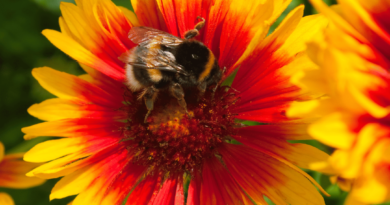
Pollinators are animals that help in the transfer of pollen from one flower to another. They play a critical role in the pollination process, which is necessary for the reproduction of plants. Some common pollinators include bees, butterflies, hummingbirds, and bats.
Importance of Pollinators
Pollinators are essential for maintaining the balance of the ecosystem. They help in the reproduction of plants, which, in turn, provides food for both animals and humans. Without pollinators, the ecosystem would collapse, leading to severe consequences.
What is Cattle Grazing?
Cattle grazing is the practice of allowing livestock, such as cows, to graze on grasslands. It is a common practice in Kenya and many parts of the world for livestock production. However, the practice has significant impacts on the environment, including the effects on pollinators.
Effects of Cattle Grazing on Pollinators
Cattle grazing has several impacts on pollinators, including the destruction of their habitat, the reduction of food sources, and the increase in pesticide use. When cattle graze on grasslands, they destroy the natural habitat of pollinators, which can lead to a decline in their population. Additionally, the reduction in food sources, such as wildflowers, can cause pollinators to migrate to other areas, leading to further decline in their population.
Furthermore, the use of pesticides to control weeds and pests in grasslands can have adverse effects on pollinators. Pesticides can kill pollinators directly or indirectly by contaminating their food sources.
Measures to Mitigate the Effects of Cattle Grazing on Pollinators
Several measures can be taken to mitigate the effects of cattle grazing on pollinators. These measures include the use of rotational grazing, planting of cover crops, and the use of alternative pest control methods.
Rotational grazing involves moving livestock from one area to another, allowing the grass to recover and the pollinators to return to their habitat. Planting cover crops can provide food and shelter for pollinators, even in areas where cattle graze. Alternative pest control methods, such as biological pest control, can reduce the use of pesticides, leading to a safer environment for pollinators.
Conclusion
In conclusion, cattle grazing has significant impacts on pollinators, including the destruction of their habitat, the reduction of food sources, and the increase in pesticide use. Pollinators are essential for the maintenance of the ecosystem, and their decline can have severe consequences. However, measures such as rotational grazing, planting of cover crops, and the use of alternative pest control methods can help mitigate the effects of cattle grazing on pollinators.