Moths as Pollinators: Unsung Heroes of Kenya’s Urban Ecosystems
When most people think of pollinators, they often picture bees, butterflies, or hummingbirds. However, moths are also important pollinators in Kenya’s urban ecosystems. Despite their importance, moths are often overlooked and underappreciated, even though they play a critical role in maintaining the health and productivity of our urban gardens and green spaces.
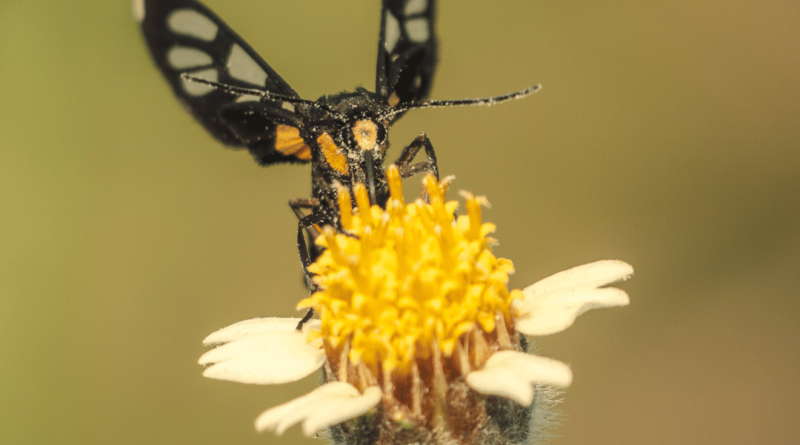
Moths are attracted to plants with fragrant flowers, especially those that bloom at night. These plants often produce large amounts of nectar, which provides moths with the energy they need to fly and mate. While feeding on nectar, moths inadvertently pick up pollen on their bodies, which they then transfer to other flowers as they continue to feed. This process of pollen transfer is essential for the fertilization of many plants, which ultimately leads to the production of fruits and seeds.
Many plants in Kenya’s urban areas rely on moths as their primary pollinators. Some of the most common plants that are pollinated by moths include:
-
Jasmine: This fragrant plant is a favorite of many moth species, including the silver Y moth and the common emerald moth.
-
Tobacco: While tobacco is often associated with negative health effects, it is an important source of nectar for many moth species, including the tobacco hawk moth and the hummingbird hawk moth.
-
Angel’s trumpet: This beautiful plant produces large, trumpet-shaped flowers that are irresistible to many moth species, including the plume moth and the large yellow underwing moth.
-
Petunia: This popular garden plant is a favorite of the hummingbird hawk moth, which hovers over the flowers while feeding on nectar.
-
Moonflower: As its name suggests, the moonflower blooms at night and is pollinated primarily by moths, including the sphinx moth and the hawk moth.
By planting these and other moth-pollinated plants in your urban garden, you can help support the health and diversity of Kenya’s moth populations, which in turn will benefit the overall health of our urban ecosystems. Additionally, by creating pollinator-friendly gardens, you can also enjoy the beauty and fragrance of these plants while providing important habitat for a variety of other beneficial insects, such as bees and butterflies.
In conclusion, moths are an essential but often overlooked group of pollinators in urban environments. They play a vital role in pollinating plants such as African violets, jasmine plants, and fruit trees such as mangoes and guavas. By taking steps to conserve these important insects, we can help ensure the health of our urban ecosystems and the plants that rely on them.

