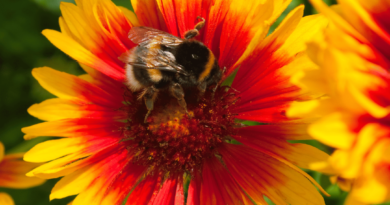

Bee-ing Sustainable: Cultural and Indigenous Practices in Kenya that Protect Pollinators
Pollinators, including bees, play a crucial role in maintaining the ecosystem and agriculture in Kenya. Bees are responsible for pollinating many crops that provide food and income for Kenyan farmers. However, bees and other pollinators are under threat due to habitat loss, pesticide use, and climate change. As an entomologist in Kenya, I have witnessed the decline of bee populations and the devastating effects this can have on the environment and local communities. In this article, I will discuss cultural and indigenous practices in Kenya that protect pollinators.
Beekeeping in Kenya has a long history and is an important part of the culture in many communities. Indigenous beekeeping practices in Kenya involve the use of traditional beehives made from materials such as bark, gourds, and hollowed-out logs. These hives provide shelter for bees and allow them to continue pollinating crops and wild plants. The traditional beehives also promote the conservation of local bee species, which are better adapted to the Kenyan climate and require less maintenance than imported bee species.
Furthermore, traditional beekeeping practices in Kenya promote sustainability by incorporating honey harvesting techniques that minimize harm to the bees. For example, the use of traditional beehives allows for the honey to be harvested without damaging the bee colony or killing the bees. This method is not only more sustainable, but it also ensures the continued production of honey and the pollination services that bees provide.
Additionally, indigenous communities in Kenya practice agroforestry, which is the integration of trees and crops in the same plot of land. This practice promotes biodiversity and provides habitat for pollinators, including bees. The trees provide shade and shelter for bees, while the crops provide food and nectar for the bees to feed on. This promotes the conservation of pollinators and the crops they pollinate.
In recent years, the Kenyan government has recognized the importance of beekeeping and pollinator conservation. The government has implemented policies and programs aimed at promoting sustainable beekeeping practices and conserving pollinator habitats. For example, the Kenya Agricultural and Livestock Research Organization (KALRO) has developed a beekeeping manual that promotes sustainable beekeeping practices and provides training for farmers.
In conclusion, bees and other pollinators play a crucial role in maintaining the ecosystem and agriculture in Kenya. Cultural and indigenous practices in Kenya promote sustainability and conservation of pollinators by incorporating traditional beekeeping practices and agroforestry. These practices not only ensure the continued production of honey and the pollination services that bees provide but also promote biodiversity and provide habitat for other important species. It is important to continue to promote and support these practices to protect pollinators and ensure a sustainable future for Kenya’s environment and agriculture.