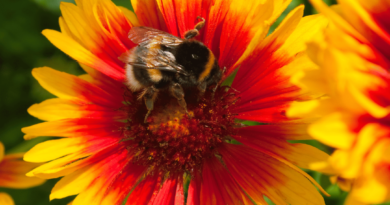

The Magnificent Butterflies of Taita Hills
In the lush hills of Taita, located in the eastern part of Kenya, resides a stunning display of nature’s beauty in the form of butterflies. These tiny winged creatures are known for their vibrant colors and intricate patterns that can leave one mesmerized for hours.
Taita is home to over 230 species of butterflies, each with their own unique characteristics that set them apart from the rest. From the dazzling Blue-Spotted Charaxes to the majestic African Queen, these butterflies are a sight to behold.
One of the most fascinating things about Taita’s butterfly population is the fact that many of the species found here are endemic to the region. This means that they can only be found in this part of the world and nowhere else. It’s a testament to the biodiversity that exists in Taita and the importance of preserving these delicate ecosystems.
One such butterfly that’s endemic to Taita is the Taita Swallowtail. This beautiful butterfly is a bright yellow color with black stripes and spots on its wings. It’s a rare sight to see in the wild and is considered to be one of the most endangered butterflies in the world. The Taita Swallowtail is a reminder of the fragility of our natural world and the importance of conservation efforts.
Butterflies play a crucial role in the ecosystem as pollinators. They are responsible for helping plants reproduce by carrying pollen from one flower to another. Without butterflies, many plant species would struggle to survive, and the ecosystem as a whole would suffer.
Sadly, many of Taita’s butterfly species are at risk of extinction due to habitat loss, climate change, and human activity. It’s vital that we take action to protect these delicate creatures and the ecosystems they call home.
In conclusion, Taita’s butterfly population is a treasure trove of natural beauty and diversity. These tiny winged creatures play a crucial role in the ecosystem, and it’s our responsibility to protect them. By conserving these habitats and taking steps to reduce our impact on the environment, we can ensure that Taita’s butterflies continue to thrive for generations to come.
References
-
Muli, E., & Kahuthia-Gathu, R. (2016). Butterfly diversity and distribution patterns in Taita Hills forests, Kenya. Journal of Biodiversity Management & Forestry, 5(1), 1-8.
-
Potts, S. G., Imperatriz-Fonseca, V., Ngo, H. T., Aizen, M. A., Biesmeijer, J. C., Breeze, T. D., … & Vanbergen, A. J. (2016). Safeguarding pollinators and their values to human well-being. Nature, 540(7632), 220-229.
-
Tsafack, N., & Tchuenguem-Fohouo, F. N. (2021). Climate change and the ecology of African butterflies. Environmental Science and Pollution Research, 28(2), 1461-1471.